
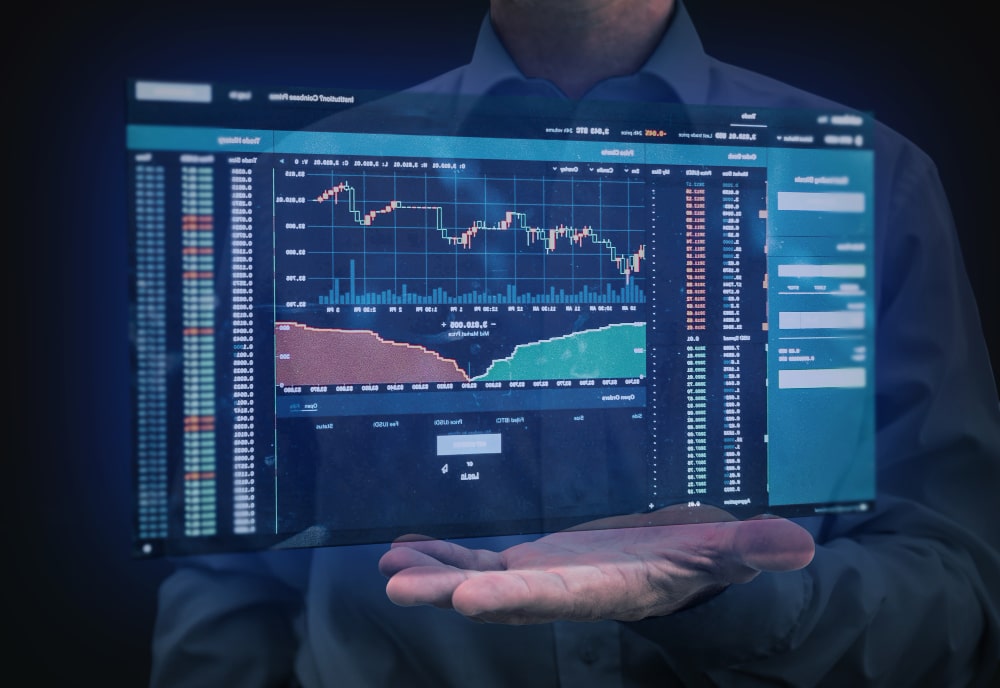
Did you have any idea that Dubai has one of the most cutting-edge and influential stock markets worldwide? If you’re aiming to trade in Dubai, there are a few key aspects to consider. Established in 2000, the Dubai Financial Market (DFM) stands as one of the most regulated markets in the Middle East and North Africa (MENA) region, adhering to international best practices with unwavering commitment.
The UAE government actively supports potential investors, providing assistance with documentation, trading accounts, and fostering a well-regulated, investor-friendly business climate. Today, we’ll guide you through everything you need to know to embark on your trading journey in the United Arab Emirates and set your sights on success within the DFM trading arena.
Reasons to Start Trade in Dubai
When it comes to trading in Dubai and the Dubai Financial Market, several compelling factors instill confidence in investors. Let’s explore these elements that make Dubai stand out:
A Strong Economy
The United Arab Emirates has one of the most diversified economies globally, with a non-oil GDP contribution reaching approximately 72%—a notable contrast to many other Middle Eastern nations. Furthermore, the UAE enjoys one of the highest per capita incomes on the planet. Thanks to significant infrastructural development milestones, the nation is rapidly transforming into a bustling international business hub.
Pro-Business Environment
The UAE secured an impressive ranking of 16th out of 190 economies in the 2020 International Doing Business Index—an ongoing study by the World Bank evaluating a country’s business environment and regulations.
This achievement is a testament to the highly business-friendly climate in the UAE, characterized by minimal taxes, streamlined company incorporation processes, and top-notch infrastructure. Regardless of your preferred trading hours, the UAE presents a myriad of online and offline opportunities to maximize your earning potential.
Attracting Foreign Investors with Open Arms
The UAE government has recently introduced investor-friendly policies to entice foreign investors, encouraging them to settle and establish business in Dubai and the wider UAE. Here are a few noteworthy aspects:

Ownership: The UAE Ministry of Economy now permits foreign investors to retain full 100% ownership of their UAE companies, enhancing investment possibilities.
Foreign Nationals: A staggering 80% to 90% of the UAE’s workforce comprises individuals from other countries, reflecting the nation’s diverse and welcoming environment.
Workweek: In 2023, the UAE government shifted the workweek for state-run offices from Sunday to Thursday to better align with global trade and business practices.
Taxation: The UAE has one of the most lenient tax systems worldwide, with no personal tax imposed except for a flat 5% value-added tax, allowing investors to retain more of their hard-earned profits.
Trading in Dubai: Explore the Diverse Markets and Indexes
Dubai offers two key financial markets for trading a range of securities, stocks, Sukuk, and bonds compliant with Shariah principles. These markets are:
DFM (Dubai Financial Market): The majority of businesses and companies listed on the Dubai Financial Market are based in the UAE. It serves as a local market that showcases the performance of the UAE stock market.
Nasdaq Dubai: In contrast, Nasdaq Dubai operates as a global stock and financial market, providing the opportunity to trade both international and local instruments.
Within Dubai’s trading landscape, companies listed on the DFM are included in three vital stock indices:
The DFM General Index: An index collection illustrating the performance of the UAE stock market.
The DFM Shariah Index (DFMSI): Comprising only Shariah-compliant companies from DFM S&P/Hawkamah, this index caters to investors seeking ethical investment opportunities.
The UAE ESG Index (UAEESGI): This index showcases top-performing, sustainable businesses, appealing to socially responsible investors.
Accessing Market Information for Trading UAE Shares
To facilitate trading in Dubai, your preferred broker’s app or website will provide transparent pricing and industry data. For reliable and up-to-date information on stock trading in the UAE, the DFM App stands as the most dependable source, available on Google Play and the Apple App Store.
Every month, DFM publishes and updates broker rankings based on trading volume and quantity, ensuring you can assess your broker’s performance in relation to the market.
Dubai’s Basic Requirements for Trading Success
To embark on trading stocks in Dubai, you must fulfill the following basic requirements:
Obtain a National Investor Number (NIN): The first step involves obtaining a National Investor Number, which serves as both your identity and a regulatory prerequisite for trading in Dubai. You have three simple ways to apply for your NIN:
Option 1: Utilize the DFM App—an easy and fast method. Complete the application in just three minutes, providing the necessary documentation, and receive your NIN via SMS. To apply, upload a scanned copy of your Emirates ID and take a selfie within the DFM app. Specify whether you prefer to receive dividends through an investor card or a bank account.
Option 2: Approach Dubai CSD—an excellent option if you prefer a traditional approach. Visit the Dubai CSD Investor Affairs Help Desk at the Dubai World Trade Centre, Sheikh Rashid Tower, where you can sign and submit a paper-based or electronic application form. The authority will swiftly verify and issue your NIN via SMS.
Option 3: Engage a registered broker to apply for a NIN. Ensure that your chosen brokerage firm is listed on DFM’s authorized brokerage firms list. The application process and paperwork requirements remain unchanged—submit the official NIN request form via your broker.
Open a Trading Account with a Broker: Once you possess your NIN, proceed to open a trading account with a regulated broker. Thoroughly research your options before finalizing your selection.
Tips for Choosing the Best Broker in Dubai
To ensure the optimal trading experience in Dubai, consider the following factors when selecting your broker:
List of Services: Different brokers offer various services, ranging from equities trading and margin trading to online trading. Some brokers may provide more sophisticated options like margin trading, direct market access (DPA), and derivative trading. Choose a broker that aligns with your service requirements.
Technology: Some brokers do not provide well-designed mobile apps or online trading platforms with historical and real-time pricing information. If you prefer independent trading without portfolio management assistance, make sure your broker provides these essential technological tools.
Fee Schedule: Brokers have varying fee schedules encompassing transaction fees, account opening fees, account maintenance fees, and portfolio management fees. Before opening a trading account, carefully review the fee structure outlined on the broker’s website to ensure a clear understanding of the costs involved.
Start Trading in Dubai: Embrace the Opportunities!

Now that you have opened an account with a regulated broker, it’s time to embark on your trading journey. By using the DFM app or DFM e-services site, you can subscribe to real-time data updates from DFM and get pricing updates for securities listed on Nasdaq Dubai and DFM.
Once enrolled, you gain access to the following trading options:
Listed Equities: Select from 116 equities that are listed on DFM and Nasdaq Dubai. On the DFM website, explore detailed market profiles and pricing information for each stock, enabling informed trading decisions.
Derivatives: Experienced investors seeking portfolio diversification and protection against price changes can explore trading derivatives or futures with DFM. Collaborating with eight brokers, three market makers, and four technology partners, DFM offers derivative trading opportunities with contracts of various expiration dates.
Market-Traded Funds (ETFs): DFM provides the opportunity to trade commodities, ETFs, and trading instruments with underlying assets. Trading ETFs offers advantages such as low management costs, lower minimum investment requirements compared to mutual funds, and excellent liquidity.
Sukuk and Bonds: If you prioritize safe and risk-free returns on investment, consider bonds and Sukuk. DFM currently lists 175 Sukuk or Islamic bonds and 97 conventional bonds, offering potential returns ranging from 3% to 7%.
Follow Your Portfolio for Trading Stocks in the UAE
As you start trading stocks and other investments in Dubai, using your trading account and a broker that’s officially listed, it’s important to be watchful and keep a close eye on the things you’ve invested in. Keep track of how your investments are doing regularly. This means checking to see if they’re making money or not, and if they’re changing in value. This helps you make informed decisions about what to do with your money. So, remember to pay attention and stay alert to make the most out of your investments in Dubai..
Conclusion: Discover a World of Opportunities in Dubai!
Once you begin trading in Dubai, you’ll soon discover the many advantages of doing business in this friendly and modern environment. The city uses advanced technology and has easy processes for trading, which the local government supports.
Apart from the regular stock market trading, Dubai and the UAE offer exciting new opportunities to invest your money. One interesting option is to explore Web 3 technologies for trading in Dubai. This means you can try out modern and innovative ways of trading and investing that use the latest technology. So, when you trade in Dubai, you’re not just using the usual methods – you also have a chance to be part of cutting-edge developments in trading and investing.