
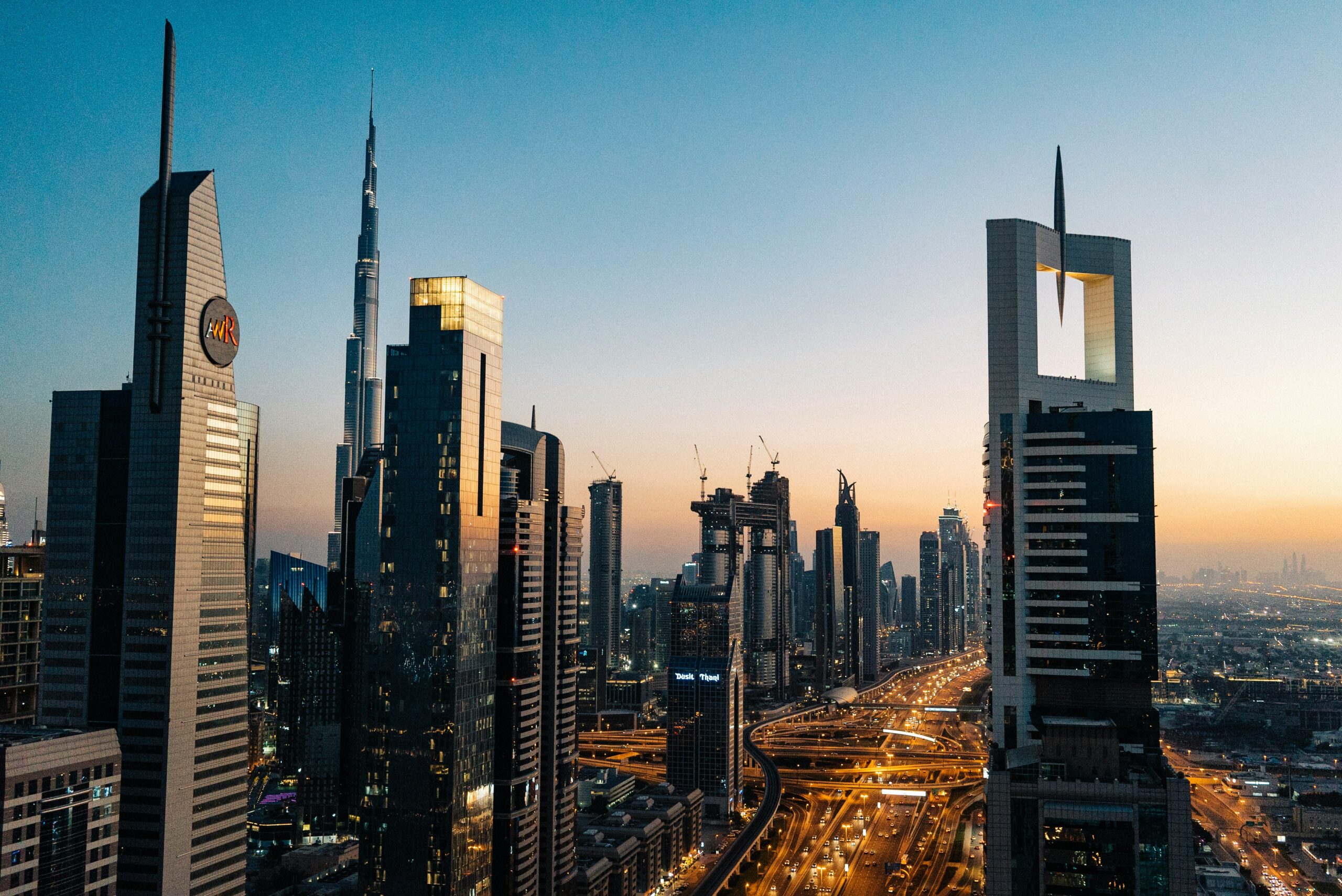
Dubai, for a long time, has been a favorite destination of professional ideologists, who want to establish their companies in a world that promotes growth and globalization. The most attractive means of establishing trade in this fast growing city are through the formation of freezone companies in Dubai. With a strong portfolio of advantages, from tax breaks to simplified commercial processes, freezone companies become the first choice for the most over time. This post will fully discuss the freezone companies of Dubai, covers the qualification, process, legal and other preconditions, costs and potential losses.

What is a FreeZone Company in Dubai?
Freezone companies in Dubai are companies installed in one of the special areas called freezones created by Dubai, providing favorable status for local and foreign entrepreneurs. In particular, freezones are established for the purpose of the convenience of international trade, foreign investment, and as a result, increase the amount of business by developing certain local rules and taxes. The main attraction of creating a freezone company is that a migrant entrepreneur can own a local sponsor or partner without a company without a company.
Types of FreeZones in Dubai
The free zones in Dubai are quite varied, with specific ones dedicated to certain industries. Some of the most prominent FreeZones are:
- Dubai Multi Commodities Center (DMCC): A freezone known to focus on commodity trading, finance and investment.
- Dubai Silicon Oasis (DSO): It is an ideal place for technology-operated businesses and a center for technical startups.
- Dubai Internet City: It is an excellent destination for technology companies and is flourishing with IT and telecom companies.
- Jebel Ali Freezone (Jafza): The largest freezone, Jafza supports manufacturing, trade and logistics industries.
Each FreeZone provides customized facilities, such as office space and visa facilities, to ensure business success within the boundaries of its operations. A business activity’s choice of which FreeZone best suits its requirements is essential for maximizing the benefits available.
Benefits of Setting Up a FreeZone Company in Dubai
The allure of setting up Freezone Companies in Dubai is underpinned by several attractive benefits. These include:
Enjoying 100% Foreign Ownership
Setting up a FreeZone company in Dubai definitely comes with the benefit of having foreigners preserve their entire ownership of their business. This is not the case with mainland companies, as a UAE national must own at least 51% of that particular business. Thus, FreeZone companies offer the complete right of control to the business owner, and this definitely becomes a great choice for international entrepreneurs.
Taking Advantage of Tax Exemptions and Incentives
Dubai FreeZones are said to offer great tax exemptions that could cut the costs of running operations drastically. The companies of FreeZone often get corporate tax, personal income tax, import/export duties, and other local taxes waived. In many instances, the waiver is available for up to 50 years, thus saving money for long-term business.
Simplifying the Business Setup Process
Doing business in a FreeZone is simpler than anywhere else in Dubai. The process involves minimal paperwork, fewer government approvals, and more streamlined procedures, which makes the process of opening a business there very fast-mostly within weeks.
Gaining Access to Global Markets
Due to its strategic position between Europe, Asia, and Africa, it is easy for businesses in FreeZones to reach the world markets. It has world-class infrastructure, and the ports and airports are famous around the globe. Freezone Companies in Dubai can expand their business by connecting to a wider range of customers due to this connectivity.
Operating Without Currency Restrictions
Freezone Companies in Dubai are permitted to carry on any business or execute any transactions in any currency. They are not restricted and enjoy the freedom of transactions, making it easier for them to engage in business with international clients, suppliers, and partners without fear of foreign exchange problems or other business setup-related restrictions.
Steps to Set Up a FreeZone Company in Dubai

Setting up a FreeZone company in Dubai is a straightforward process. While specific steps may vary depending on the FreeZone, the general procedure includes the following:
Choosing the Right FreeZone
To start with, it is the right selection of a FreeZone according to your business. A FreeZone should have the same business activity and be related to the same industry where your business exists. For example, if the business is into technology, it should be taken in Dubai Silicon Oasis, but for commodities trading, DMCC is the perfect place.
Selecting Your Business Activity
Once you have chosen your FreeZone, the second is to choose a business activity where you want to operate. Dubai’s FreeZones cater to a broad range of industries and each has an approved list of business activities. It is thus important to choose an activity that fits the FreeZone’s regulations to make approval easy.
Registering Your Company
Now you have your FreeZone and business activity selected, but you will have to get your company registered with the relevant authorities in the zone you’ve chosen. The most usual documents that one needs to produce are a passport, proof of address, and a business plan.
Obtaining Required Licenses and Approvals
After registration, you will be required to seek licenses and permits that are business activity-specific. This may be a trade license, a professional license, or an industry-specific license for media, healthcare, etc.
Opening a Corporate Bank Account
After you get your company registered and licensed, you’ll open a corporate bank account. The FreeZones of Dubai facilitate this, but the options do vary based on the business you are starting up and the specific zone you operate in.
Hiring Employees (If Applicable)
If your company needs employees, you will also need to apply for work visas for them, and FreeZones can guide you through these processes and explain the visa procedures for your personnel.
Legal Considerations for a FreeZone Company in Dubai
To register a FreeZone company, some legal issues come into play where you must strictly adhere to all the local provisions:
Understanding Ownership and Sponsorship Rules
Although the FreeZone companies allow full foreign ownership, there are some particular rules about ownership and sponsorship, especially when dealing with assets and operations.
Complying with FreeZone Regulations
Each FreeZone in Dubai is governed by its own regulations, and thus it’s crucial to abide by the particular rules of the zone. In case of non-compliance, one may incur fines or have the business shut down.
Protecting Intellectual Property and Licensing
In cases where the business deals with IP, like trademarks or patents, the owner is expected to file his IP and have it protected by the authorities. Most FreeZones provide services that may be useful for IP protection.
Employment Laws and Visas
Employers need to adhere to the UAE labor laws. Labor laws cover employment rights, contracts, and salaries. Businesses may also sponsor staff visas from the FreeZone.
Conducting Annual Audits and Reports
FreeZone companies usually require annual audits and reports for compliance purposes. The document is useful to reflect transparency and prove that the company’s standing is accurate financially.
Cost of Setting Up a FreeZone Company in Dubai
There are several costs associated with setting up a FreeZone company in Dubai, which entrepreneurs should take into account:
Initial Setup Costs
The cost of setting up the FreeZone company includes fees for registration, licensing, and other administrative costs. The figure may vary according to the FreeZone and the type of business to be established.
License Fees
The right to conduct business in any FreeZone costs an annual license fee for that privilege. That fee would vary depending upon business activity and services provided in that FreeZone.
Office Space and Infrastructure Costs
However, while some FreeZones are providing simple office solutions, others demand businesses to lease space. The expenses in office space may vary according to locations, sizes, and facilities that the FreeZone is providing.
Visa and Immigration Costs
You will also consider visa processing and immigration fees if your business needs employee visas or residency permits.
Ongoing Operational Costs
After the business is up, there will be ongoing operating costs, which include salaries, utility bills, office maintenance, and other expenses on a daily basis.
Challenges of Setting Up a FreeZone Company in Dubai
Despite the numerous benefits, forming a FreeZone company in Dubai has its own challenges:
Facing Limited Scope for Business Activities
The free zones are specifically designed to support certain industries and business activities. If your business does not fall within the allowed activities of the zone, then you will have to search for other alternatives.
Navigating Restrictions on Business Locations
Typically, FreeZone companies are restricted to doing business inside the FreeZone boundaries. For those planning to conduct business beyond the zone and work with mainland Dubai clients, this can prove restrictive.
Dealing with Longer Processing Times for Certain Applications
Different FreeZones may take different periods of time for different types of applications depending on whether these applications are a visa or one of the specialty licenses.
Managing Cost Variations Between FreeZones
Costs vary for setting up a FreeZone company from zone to zone. Any entrepreneur will be required to undertake due diligence for them to appreciate the cost in advance of opting for any specific FreeZone.
Battling Competition and Market Saturation
As Dubai continues to gain popularity, some of the FreeZones may face extreme competition, which makes companies less visible in common markets.
Conclusion
A FreeZone business in Dubai is among the best for entrepreneurs, with complete foreign ownership, tax benefits, and streamlined business procedures. Still, certain prerequisites, expenses, and drawbacks should be kept in mind in a specific FreeZone to make the setup procedure more convenient. Whether you are a tech entrepreneur wanting to establish a company in Dubai Silicon Oasis or a trader interested in Dubai’s Jebel Ali FreeZone, the possibilities in Dubai are limitless. Collaborating with EasyWay Business will make it even easier, and receiving advice from such professionals will assist you in making sure your business prospers.
Frequently Asked Questions (FAQs)
Can a foreigner own 100% of Freezone Companies in Dubai?
Yes, foreigners can fully own their businesses in Dubai’s FreeZones without needing a local sponsor.
What are the tax exemptions for FreeZone companies?
FreeZone companies can benefit from exemptions on corporate tax, import/export duties, and other taxes for extended periods, often up to 50 years.
How long does it take to set up a FreeZone company?
The setup time can vary but typically takes a few weeks to a couple of months depending on the FreeZone and the type of business.
What business activities can be conducted in FreeZones?
Each FreeZone allows specific business activities, including those in sectors like technology, trade, and media. You must ensure your business aligns with FreeZone’s offerings.
Do FreeZone companies require a physical office space?
Yes, most FreeZones require businesses to lease office space, though flexible office solutions may be available in some zones.